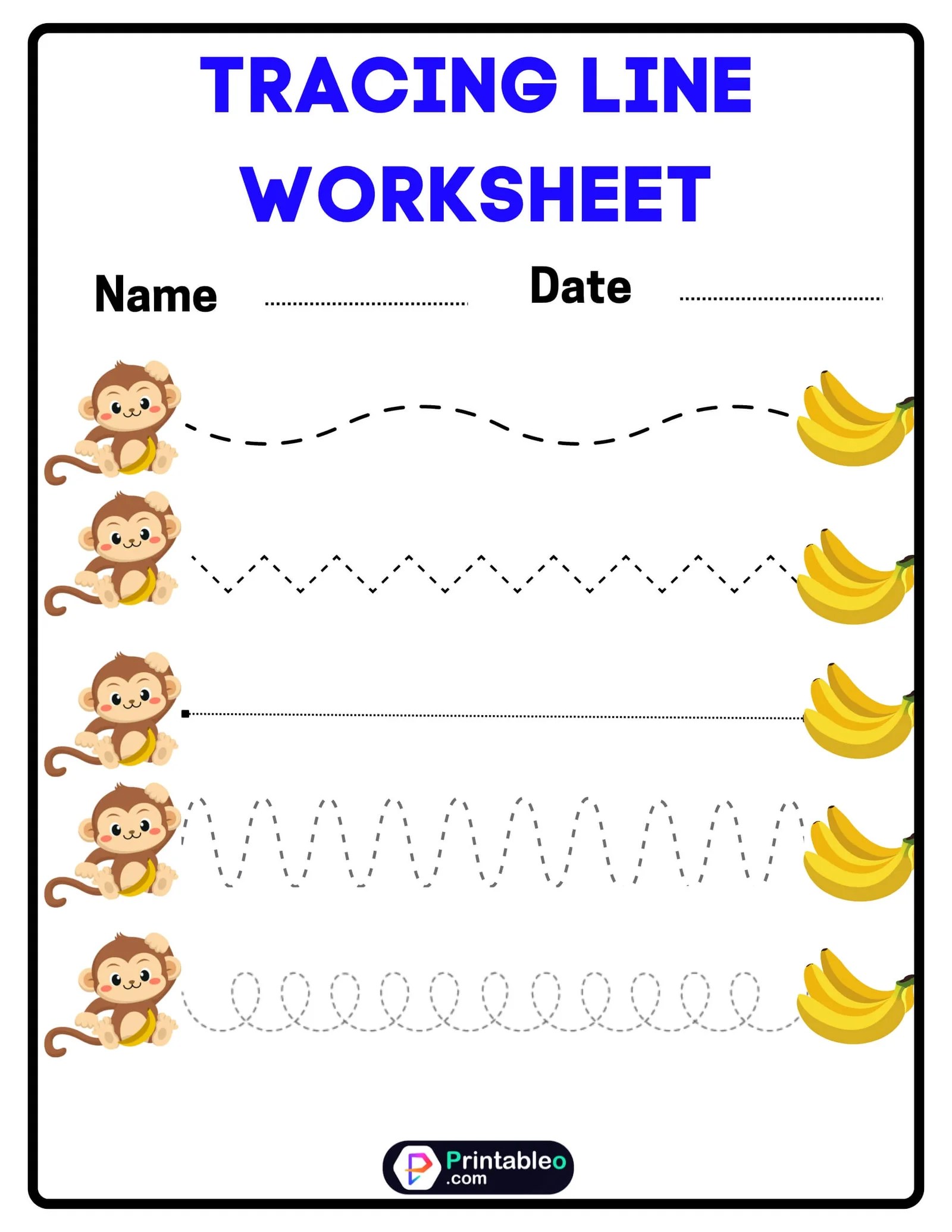
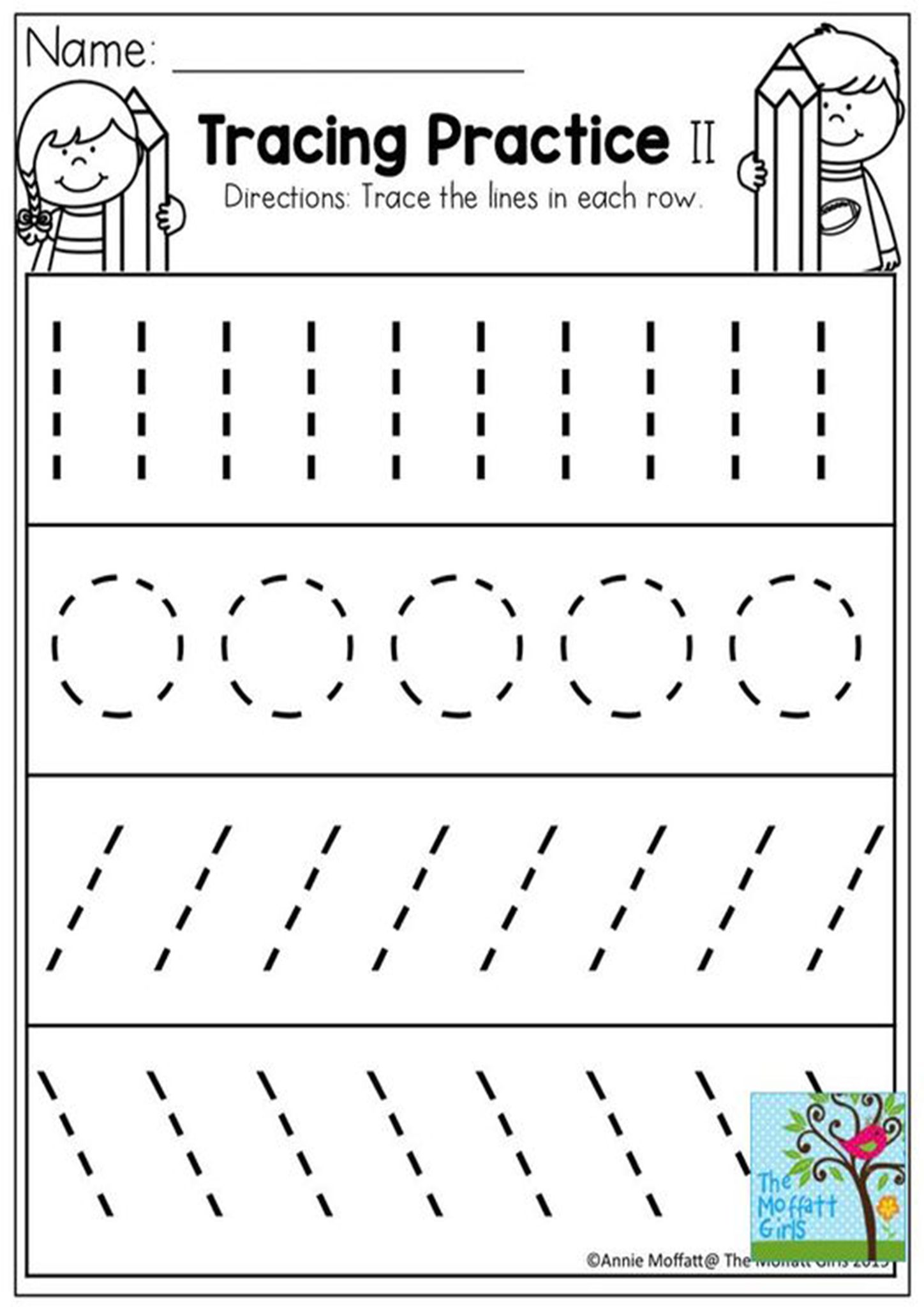
Many parents and teachers understand the importance of developing fine motor skills in young children. Tracing lines is a fundamental activity that helps children improve their hand-eye coordination and prepares them for writing. To effectively support this learning process, you can find free printable worksheets of tracing lines that can be easily downloaded and utilized in various settings. This guide will walk you through the steps of selecting, downloading, printing, and using these worksheets effectively in a home or homeschool environment.
Understanding the Importance of Tracing Lines
Tracing lines is not just a fun activity; it serves multiple educational purposes. It enhances motor skills, reinforces letter and number recognition, and helps children develop spatial awareness. Typically, children in preschool and kindergarten benefit most from these activities, as they are just starting to learn how to write.
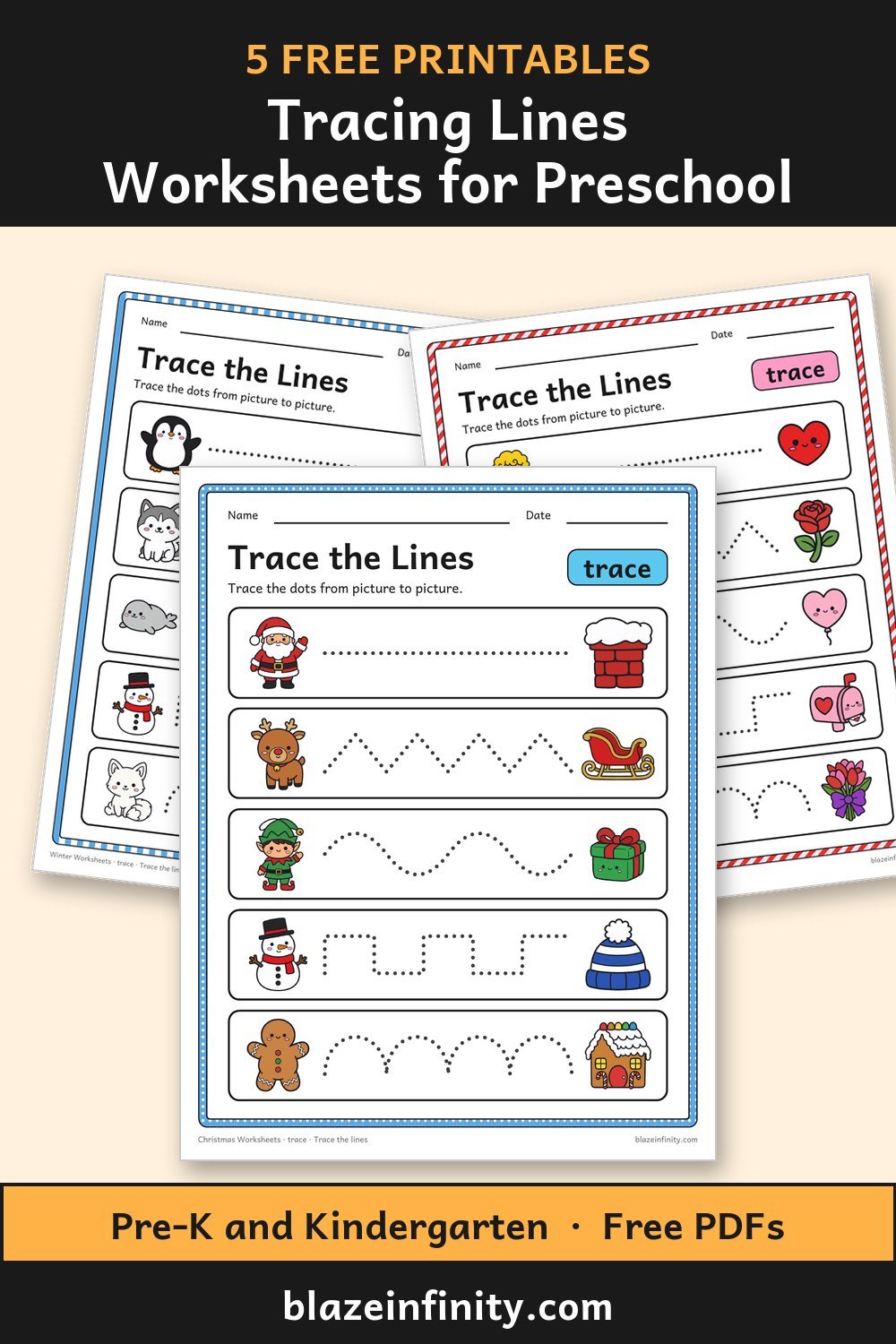
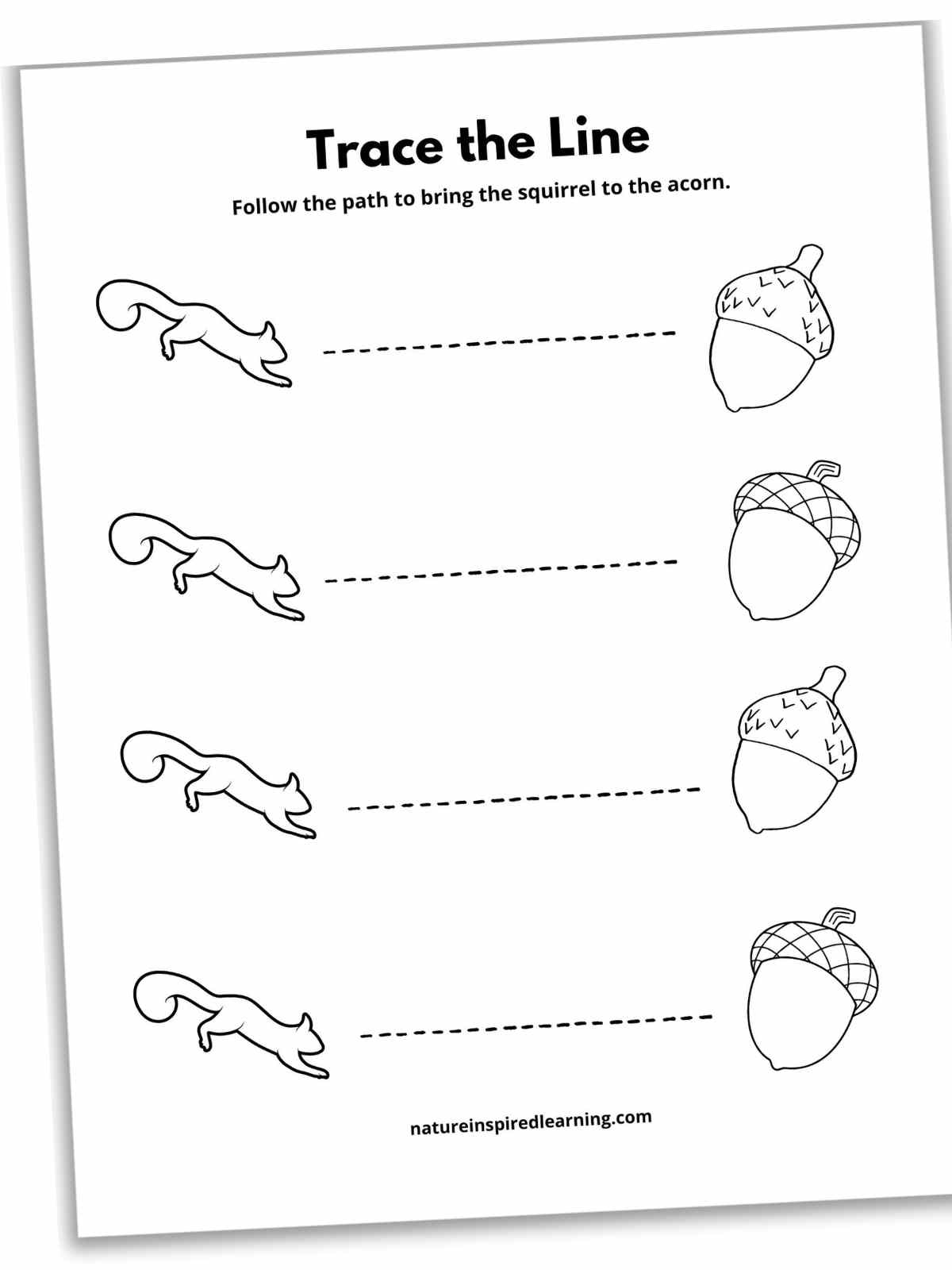
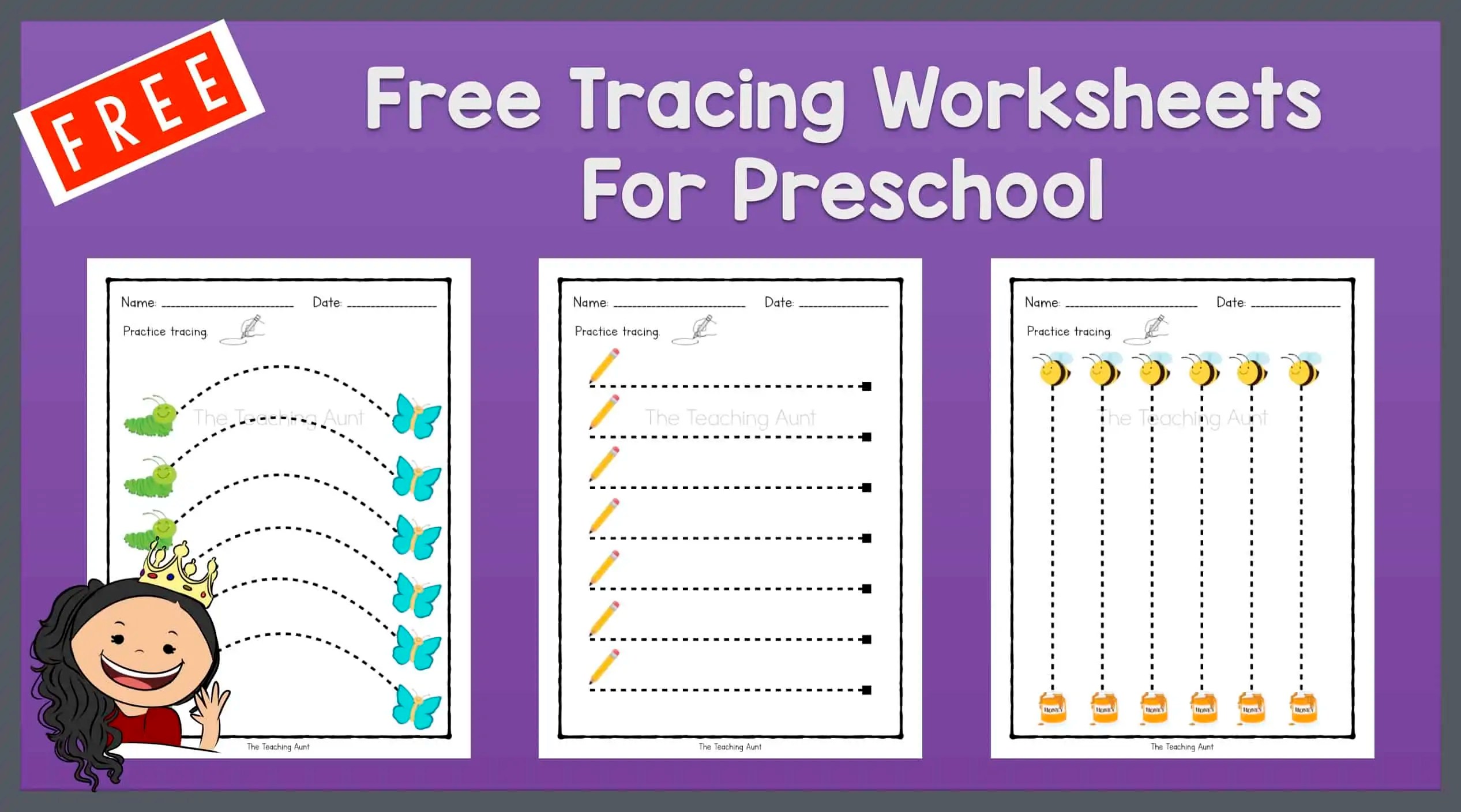
Worksheets that focus on tracing lines come in various formats, including straight lines, curved lines, and zigzag patterns. Each type of line serves a unique purpose in developing different skills. Straight lines help with stability, while curved lines improve fluidity in writing. By incorporating tracing worksheets into daily routines, children can practice these essential skills in an engaging manner.
Where to Find Free Printable Worksheets
Finding free printable worksheets of tracing lines is easier than ever, thanks to numerous online resources. Websites dedicated to educational materials often offer a wide array of free downloads that cater to different age groups and skill levels. Start by searching for reputable sites that focus on early childhood education resources. Look for:
- Educational websites
- Teacher resource blogs
- Homeschooling forums
When navigating these sites, use keywords like “tracing lines worksheets” or “free printable tracing worksheets” to narrow down your search. Many sites also allow you to filter by grade or skill level, ensuring that you find worksheets appropriate for your child’s needs.
Downloading the Worksheets
Once you have identified the worksheets you want, downloading them is typically straightforward. Most printable worksheets are available in PDF format, which preserves the layout and ensures that the printed version matches what you see on your screen. Here are some tips for downloading effectively:
- Check Compatibility: Ensure your device can open PDF files. Most computers and tablets have built-in PDF readers.
- Select the Right Size: Many worksheets are designed for standard paper sizes like 8.5 x 11 inches (letter size). Check the dimensions before printing to avoid any sizing issues.
- Consider the Source: Download from reputable sites to ensure the quality and accuracy of the worksheets.
After downloading, it’s a good practice to review the worksheets to ensure they meet your expectations and are suitable for your child’s level.
Printing Your Worksheets
Printing your worksheets may seem simple, but a few considerations can make a difference in usability. Here’s how to get the best results:
- Use Quality Paper: For worksheets that will be used repeatedly, consider using cardstock. It’s thicker and more durable than standard printer paper.
- Check Printer Settings: Ensure your printer is set to the correct paper size and quality settings. Portrait orientation usually works best for worksheets, and a higher print quality will make the lines clearer.
- Test Print: If you’re unsure about the settings, do a test print on regular paper first. This allows you to check for any formatting issues before wasting quality materials.
Engaging Children With Tracing Worksheets
Once the worksheets are printed, the next step is to integrate them into your daily routine. Here are some practical ways to use tracing line worksheets effectively:
- Create a Routine: Set aside specific times during the day for tracing activities. This helps children anticipate and prepare for learning sessions.
- Use with Other Materials: Combine tracing worksheets with other activities. For example, after tracing lines, encourage children to draw their own lines or shapes to reinforce learning.
- Incorporate Fun Tools: Use colored pencils or crayons rather than standard pencils. This can make the activity more enjoyable and visually stimulating for young learners.
Tips for Maximizing the Learning Experience
To ensure that children benefit the most from tracing worksheets, consider these additional tips:
- Offer Positive Feedback: Encourage children by praising their efforts and progress, regardless of the outcome.
- Make It Interactive: Ask questions about the lines they are tracing. For example, “Can you tell me what shape this line looks like?” This promotes critical thinking while they practice their skills.
- Track Progress: Keep a folder of completed worksheets to show progress over time. This can motivate children as they see their improvement.
Finding free printable worksheets of tracing lines is just the beginning. By understanding the importance of these resources and how to implement them effectively, parents and teachers can create a nurturing environment that fosters essential skills in young learners. Start downloading today and watch the progress unfold!
Find Free Printable Worksheets Of Tracing Lines Gallery