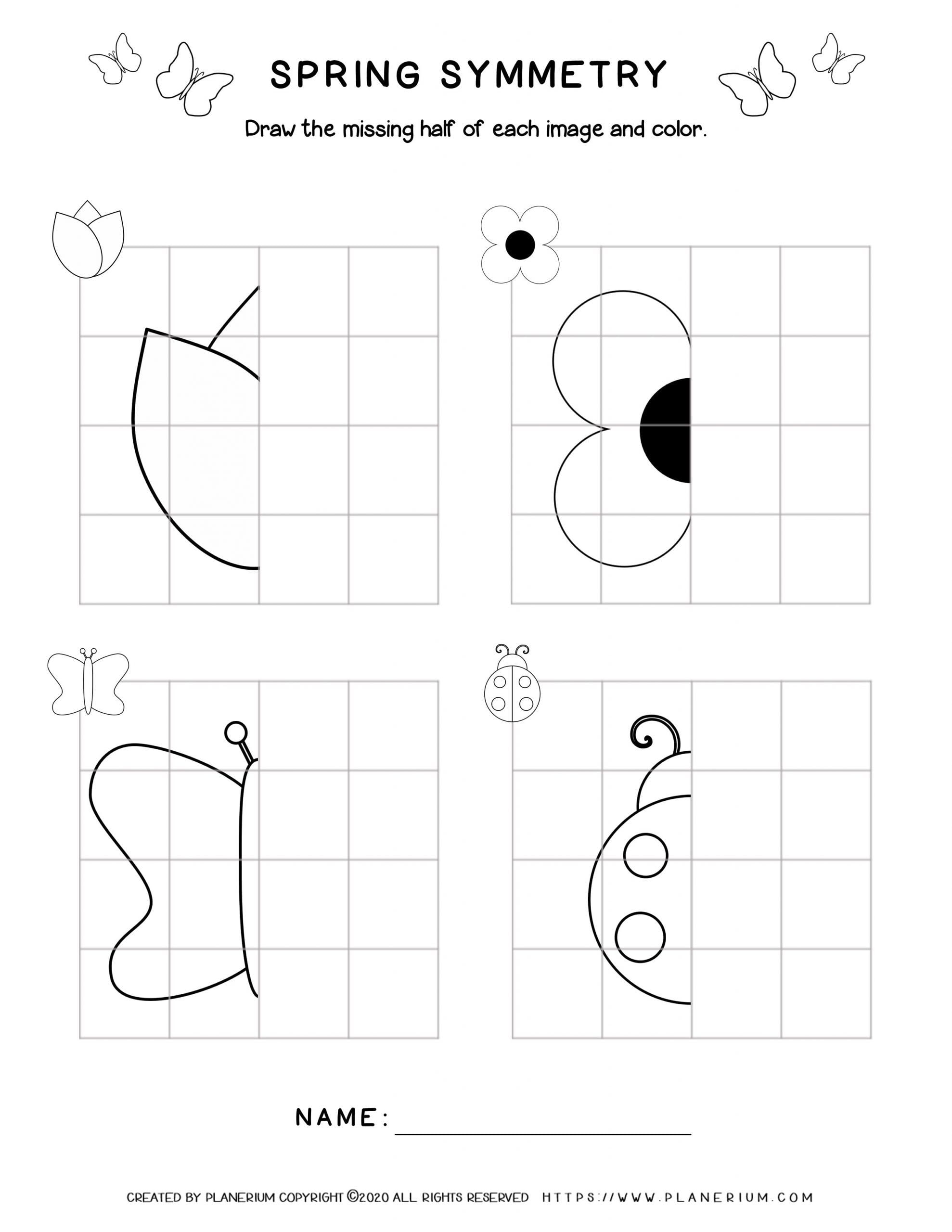
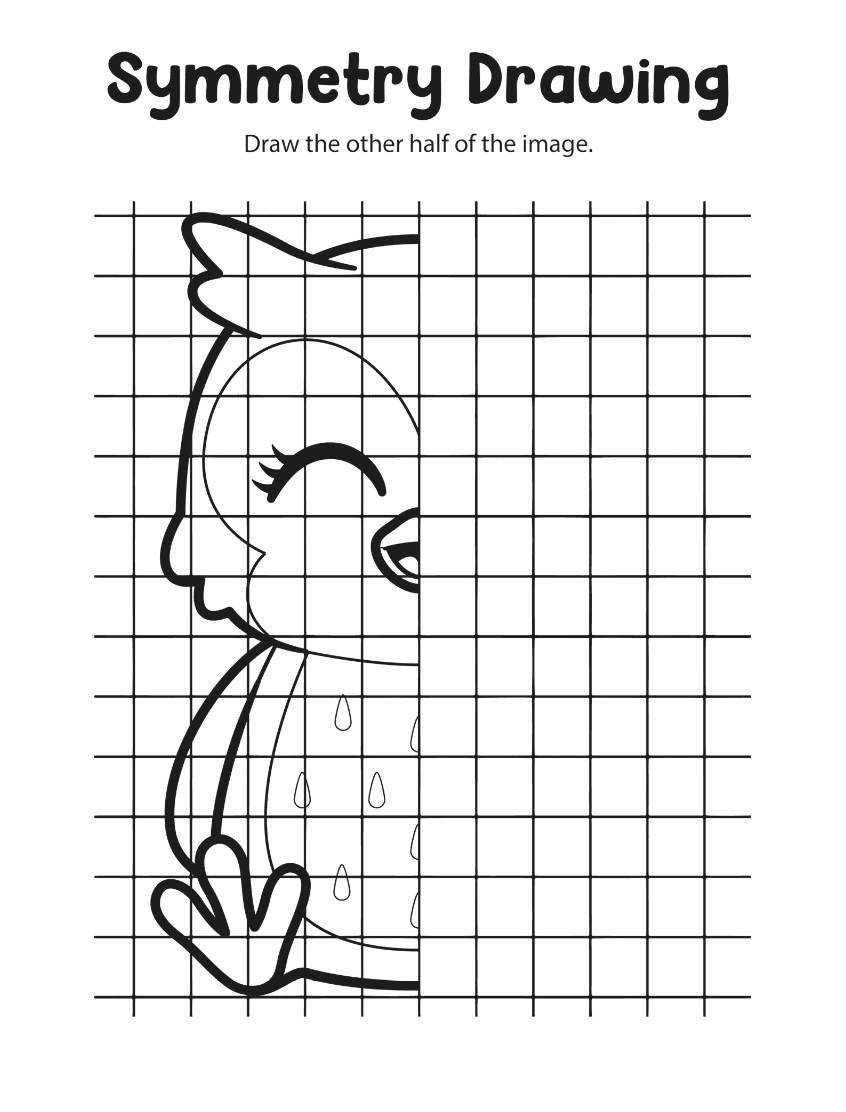
As Emily sat at her kitchen table, her six-year-old son, Jake, was eager to show off his latest art project. He had been practicing drawing symmetrical shapes, and his excitement was contagious. This moment perfectly captures the joy of learning through art, especially with resources like Drawing Worksheets Symmetry Free Printable. These worksheets can offer structured activities that not only enhance artistic skills but also reinforce essential mathematical concepts.
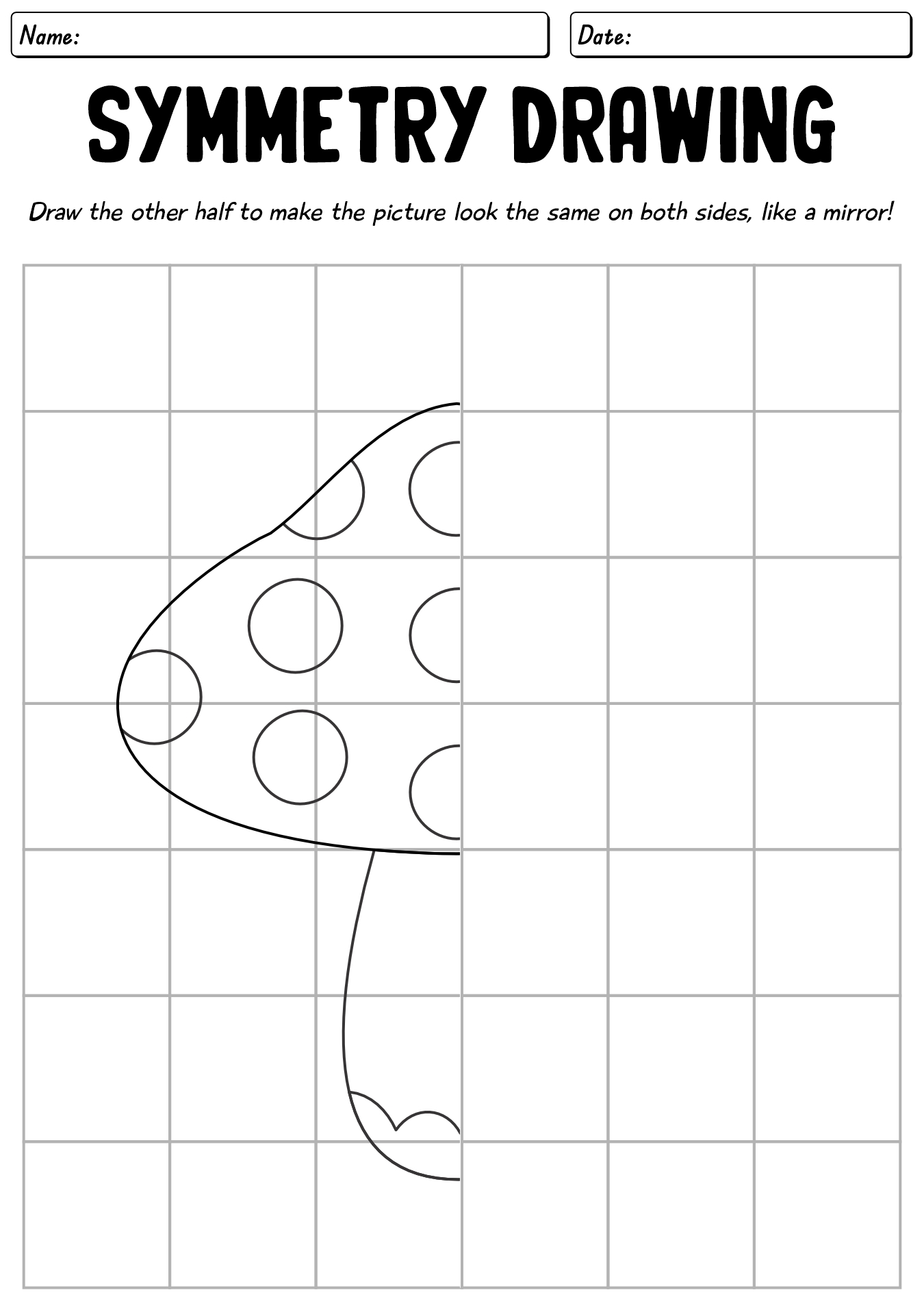
Understanding Symmetry in Art and Math
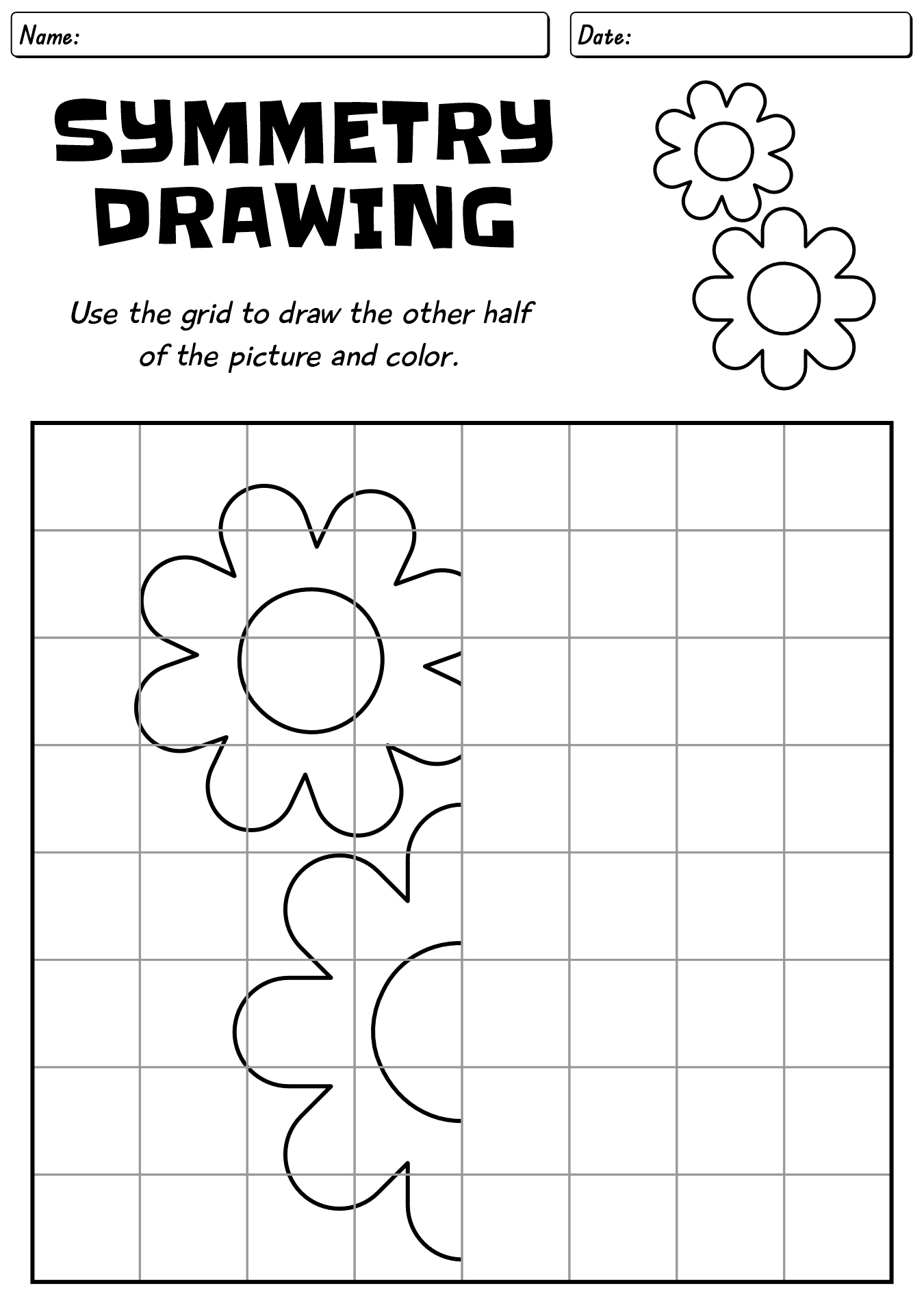
Symmetry is a fascinating concept that bridges both art and mathematics. It involves creating a mirror image on either side of a central line. For young children, grasping this idea can be both fun and educational. Drawing worksheets that focus on symmetry provide the perfect opportunity for practice without overwhelming students.
These worksheets can be used in various settings, from classrooms to homeschooling environments. They’re designed for children typically in grades K-3, but older students may find them beneficial for reinforcement or creative inspiration. By integrating art with math, you help your students see the connections between different subjects, making learning more meaningful.
How to Use Symmetry Worksheets Effectively
When using Drawing Worksheets Symmetry Free Printable, consider spreading the activities over several days to reinforce the concept. Here’s a practical setup you might follow:
- Day 1: Introduction to Symmetry
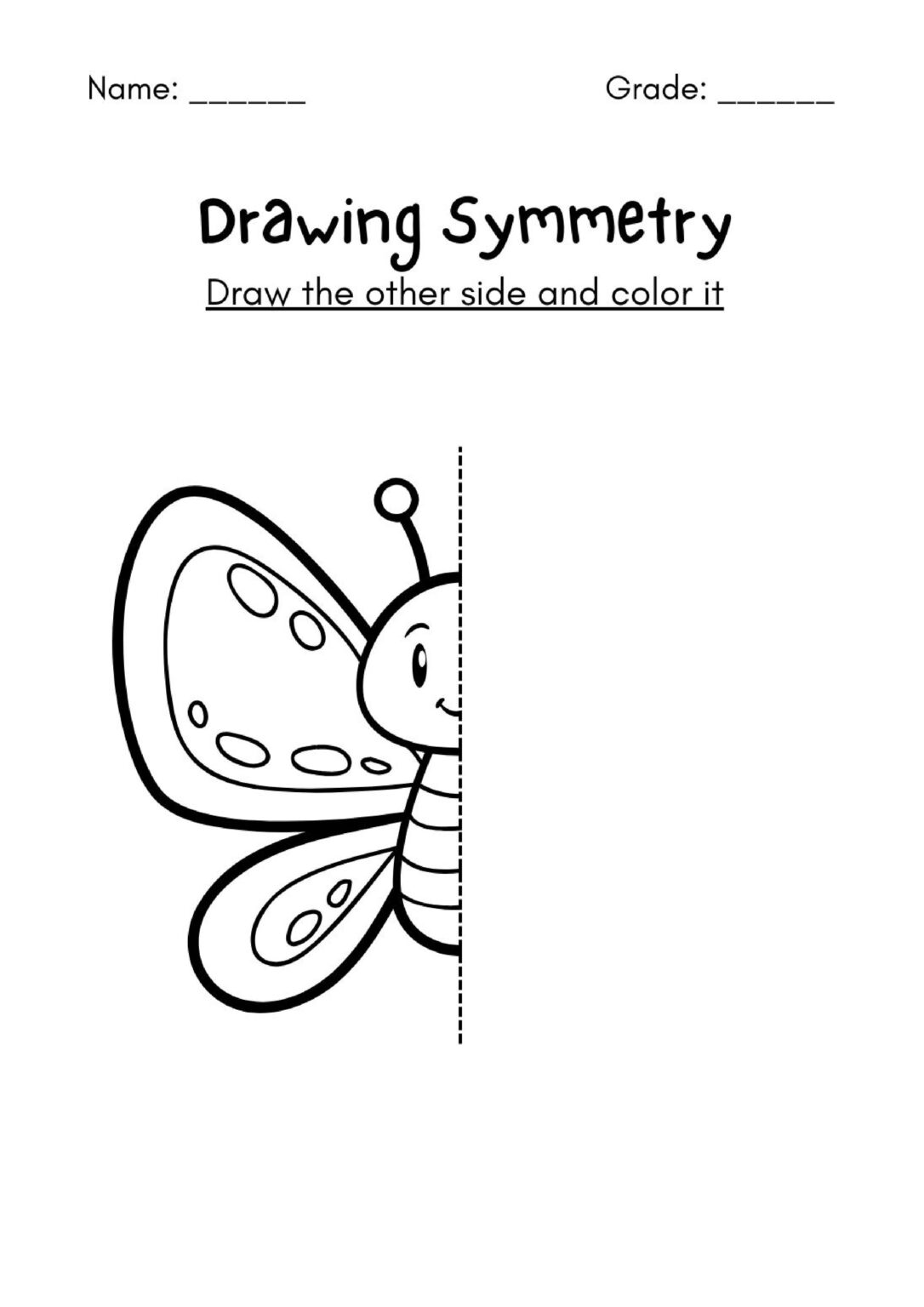
Start with a simple introduction to symmetry. Use everyday items like leaves or butterflies to illustrate the concept. Show how symmetrical shapes appear in nature. Then, have students complete a basic worksheet where they draw lines of symmetry on simple shapes like squares and circles.
- Day 2: Exploring Shapes
Provide worksheets that encourage children to draw their own symmetrical designs. You could ask them to create a symmetrical butterfly or a symmetrical face. This activity not only promotes creativity but also reinforces their understanding of symmetry through hands-on practice.
- Day 3: Review and Reflect
On this day, review what they’ve learned. Have students share their drawings and discuss the different shapes and patterns they created. You can encourage them to think about where they see symmetry in their own lives.
By spacing out these activities, you allow students time to process what they’ve learned and apply it in various contexts.
Choosing the Right Materials
When it comes to printing your Drawing Worksheets Symmetry Free Printable, consider the following tips:
- Paper Type: Using cardstock can be beneficial for worksheets that will be colored or used with paint, as it holds up better than standard printer paper.
- Printer Settings: Ensure your printer settings are adjusted for high-quality output. A portrait layout often works best for most home printers.
- Lamination: If you plan to use the worksheets multiple times, consider laminating them. This way, they can be used with dry-erase markers, making it easy for students to practice repeatedly.
Integrating Technology With Worksheets
While traditional worksheets are valuable, integrating technology can enhance the learning experience. There are many digital drawing tools available that allow children to experiment with symmetry in a more dynamic way. Programs like Tux Paint or online drawing applications can provide an interactive platform for kids to explore symmetrical designs.
You might set aside a day where students can use these tools alongside their printed worksheets. This combination helps cater to different learning styles and keeps the experience fresh and engaging.
Encouraging Creativity Beyond Worksheets
Drawing Worksheets Symmetry Free Printable should serve as a springboard for further exploration. Encourage students to create symmetrical art pieces using various mediums, such as paint, collage, or digital art.
Consider setting up a small art exhibit in the classroom or at home where students can showcase their symmetrical creations. This not only boosts their confidence but also fosters a sense of community and appreciation for each other’s work.
In addition, you can extend the learning by discussing famous artists known for their use of symmetry, such as M.C. Escher. This connection between the worksheets and real-world examples can spark further interest in both art and mathematics.
By utilizing these worksheets effectively, you’re not just teaching kids about symmetry; you’re helping them develop critical thinking skills, creativity, and an appreciation for the interconnectedness of different subjects. As you integrate these activities into your teaching, remember that the ultimate goal is to inspire and motivate your students to explore and enjoy learning.
When it comes to symmetry, the possibilities are endless. Whether you choose to use traditional worksheets, digital tools, or creative arts, you’re providing valuable learning experiences that can last a lifetime.
Drawing Worksheets Symmetry Free Printable Gallery