Understanding earthquake faults is essential for students to grasp the complexities of geology and the science behind seismic activity. Earthquake Faults Free Printable Worksheets offer a hands-on approach to learning, making complex concepts more accessible and engaging. These resources are designed for various educational settings, including classrooms and homeschooling, and can effectively enhance your teaching toolkit.
What Are Earthquake Faults?
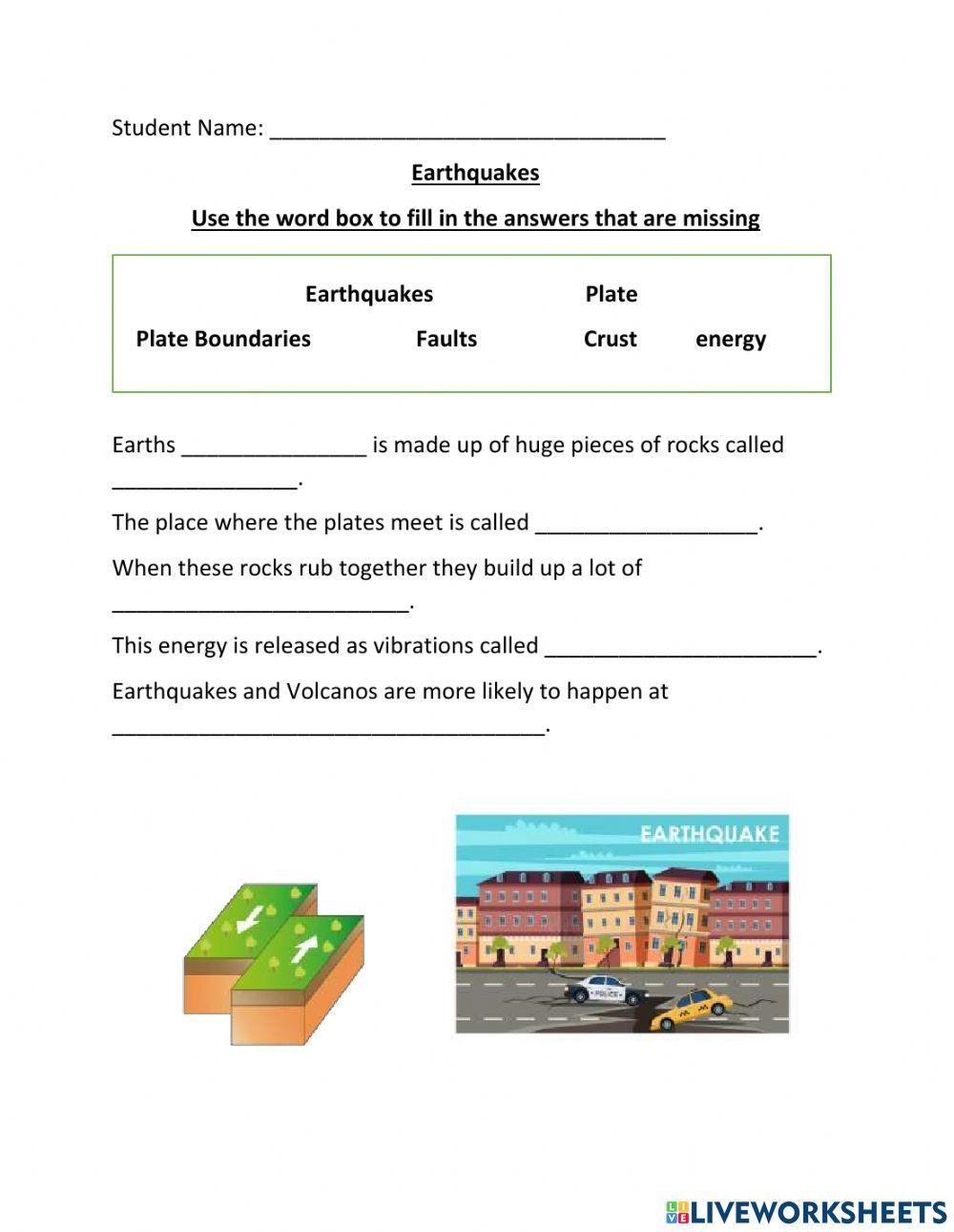
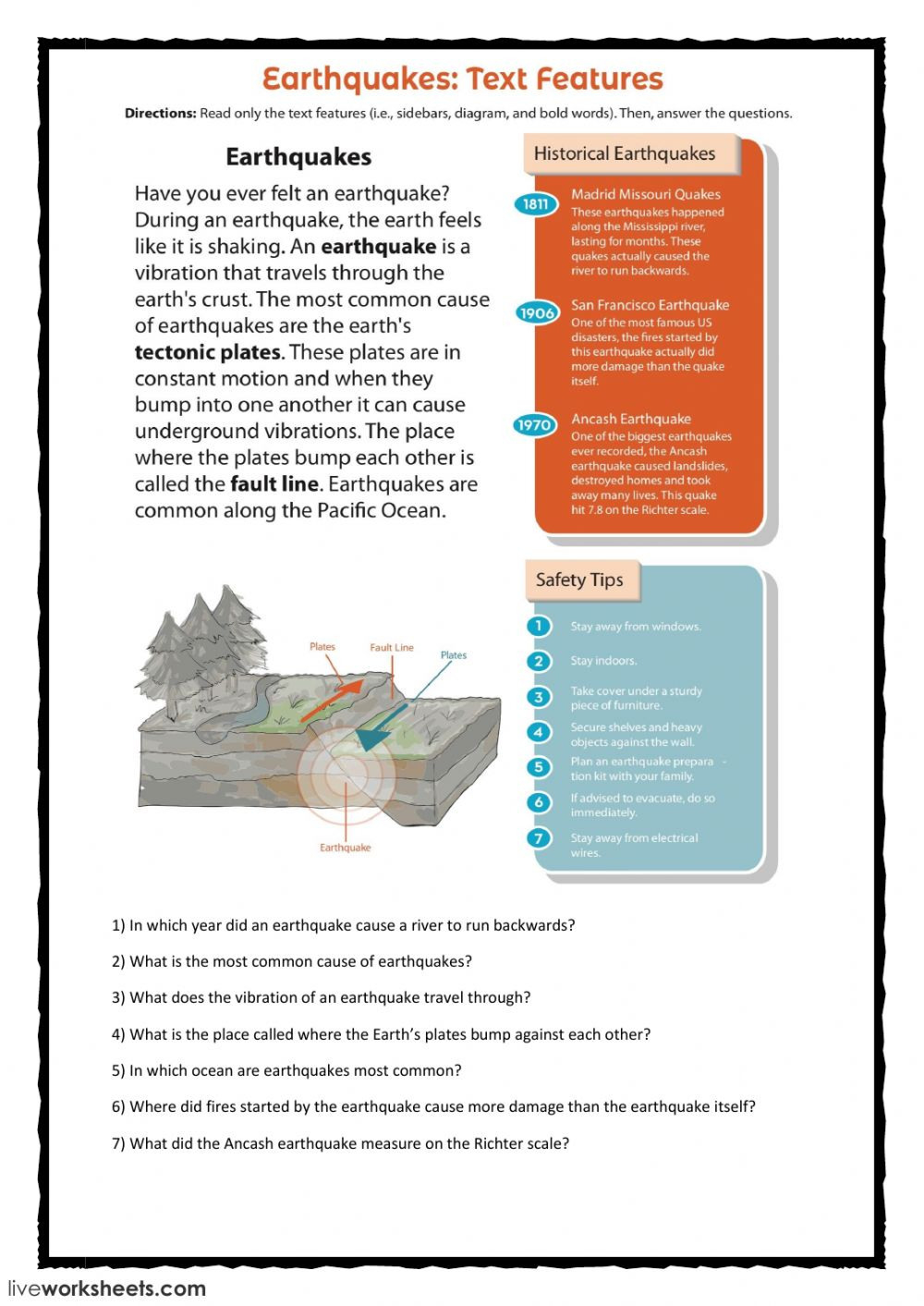
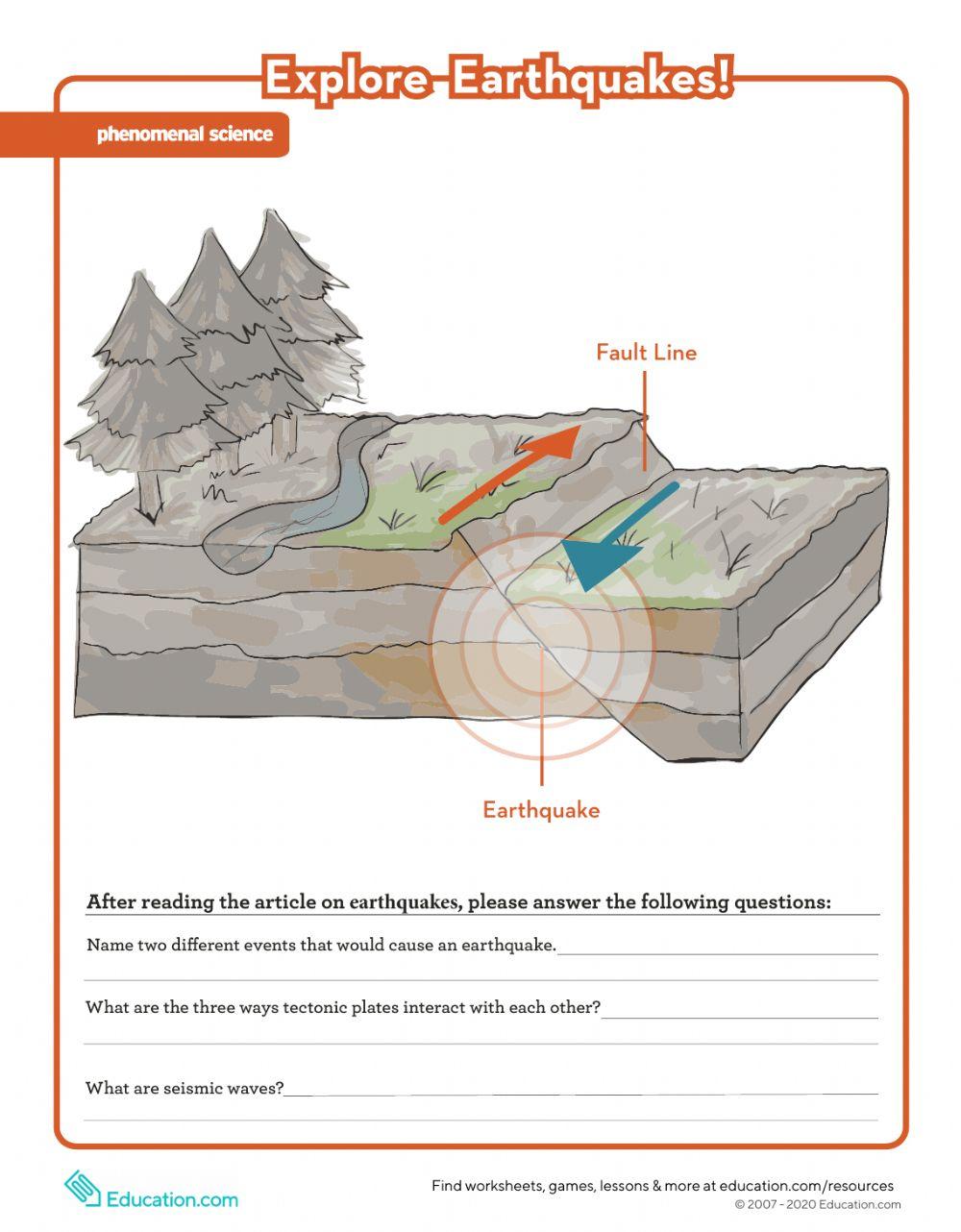
Before diving into the printable worksheets, it’s important to understand what earthquake faults are. In simple terms, faults are fractures in the Earth’s crust where blocks of rock have moved relative to each other. They play a crucial role in the occurrence of earthquakes, as stress builds up along these faults until it is released in the form of seismic waves.
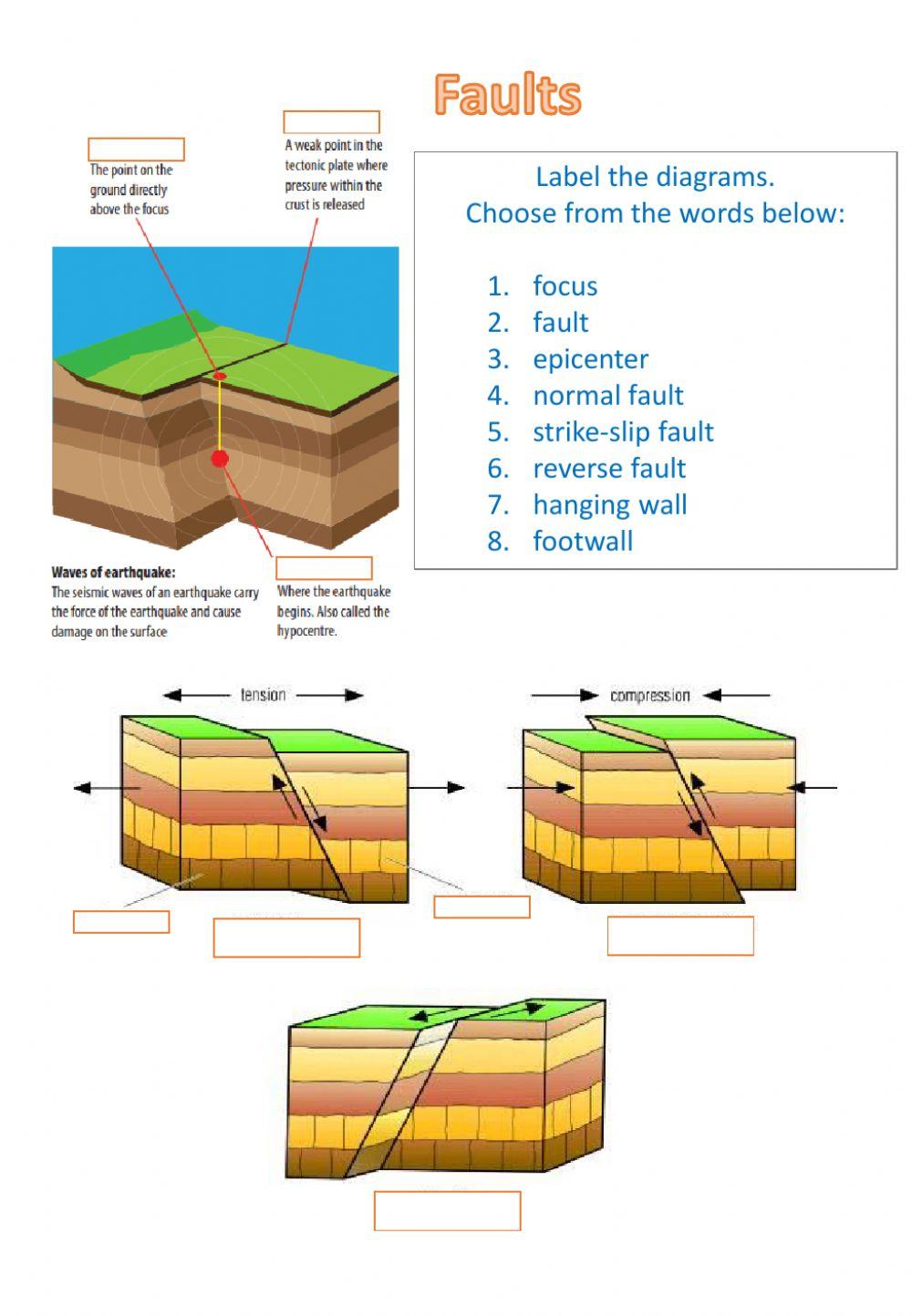
Understanding different types of faults—such as normal, reverse, and strike-slip faults—helps students appreciate the dynamic nature of our planet. The worksheets will introduce these concepts in an age-appropriate manner, making them suitable for upper elementary and middle school students.
Features of the Earthquake Faults Free Printable Worksheets
The Earthquake Faults Free Printable Worksheets come with several features that make them an effective educational tool:
- Variety of Activities: From fill-in-the-blank exercises to diagram labeling and short answer questions, these worksheets cater to different learning styles.
- Visual Aids: Many worksheets include diagrams of fault types that can help visual learners grasp the concepts better.
- Age-Appropriate Content: Tailored for students in grades 4-8, the worksheets are designed to match their learning needs and comprehension levels.
- Answer Key: Most resources come with an answer key for teachers or parents, making it easier to assess student understanding.
How to Use the Worksheets Effectively
Using the Earthquake Faults Free Printable Worksheets in your teaching can be straightforward and rewarding. Here are some practical tips:
- Introduce the Topic: Start with a brief discussion about earthquakes and faults. Use multimedia resources like videos or slideshows to create interest.
- Distribute Worksheets: Hand out the worksheets during a dedicated lesson on earthquake faults. Ensure students understand the instructions clearly.
- Group Work: Consider breaking students into small groups to work on the worksheets together. This encourages collaboration and discussion.
- Follow-Up Discussion: After completing the worksheets, hold a class discussion to go over the answers. This not only reinforces learning but also allows students to ask questions.
- Utilize Homework: If time is limited, the worksheets can also serve as homework assignments to reinforce classroom learning.
Downloading and Printing Tips
When it comes to downloading and printing your Earthquake Faults Free Printable Worksheets, here are some practical considerations:
- Format: Ensure you download the worksheets in PDF format. PDFs are less likely to experience formatting issues when printed.
- Printer Settings: Most home printers handle standard letter-sized paper (8.5″ x 11″) well, but check your printer settings to ensure the best print quality.
- Paper Type: For durability, consider printing on heavier paper or cardstock, especially if the worksheets will be used multiple times or laminated.
- Color vs. Black and White: If your printer supports color printing, the diagrams in the worksheets will be more engaging. However, black and white prints can save ink and still be effective.
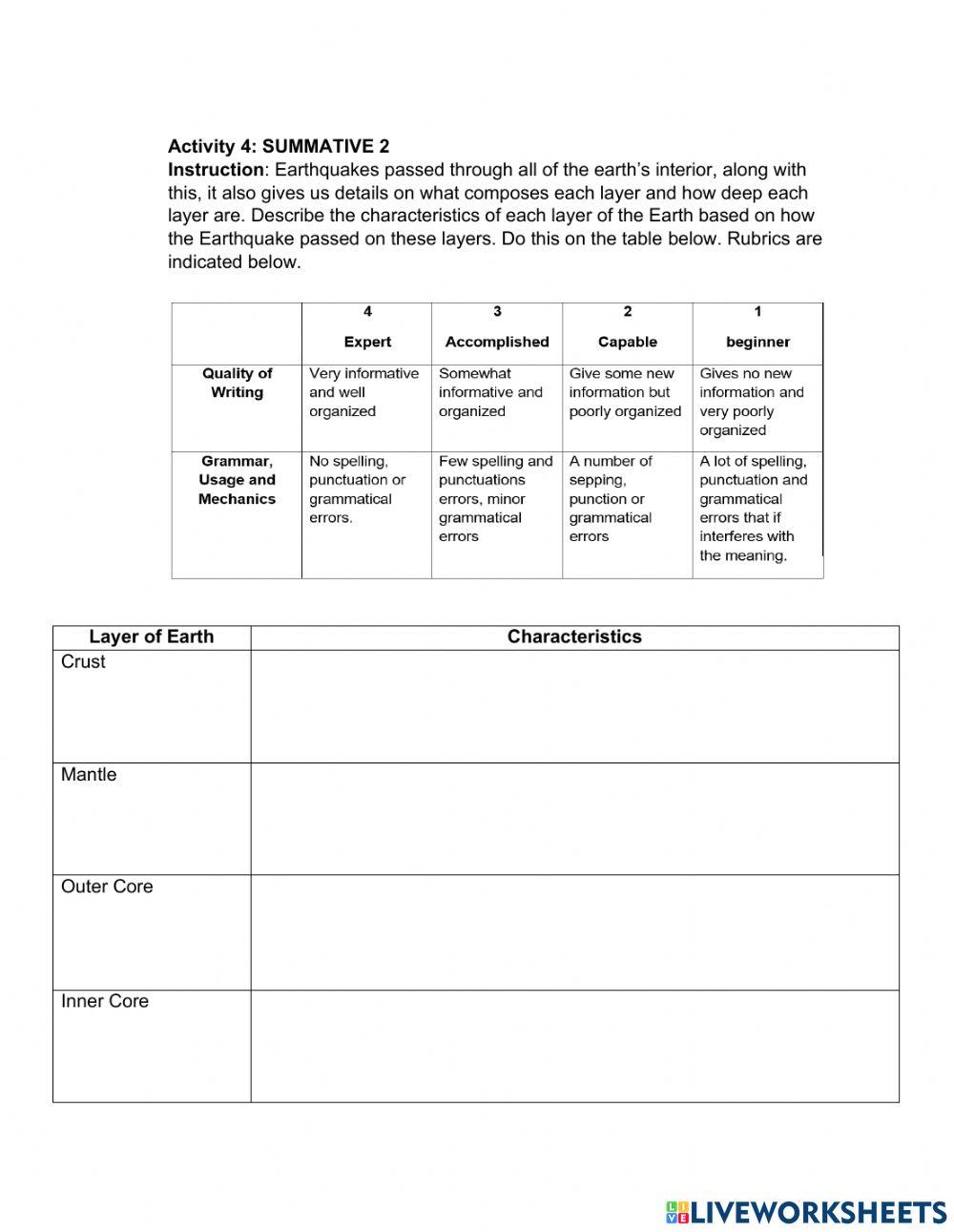
Benefits of Using Printable Worksheets in Education
Incorporating worksheets into your teaching strategy has several benefits:
- Hands-On Learning: Worksheets provide an interactive way for students to engage with the material.
- Tracking Progress: You can easily assess students’ understanding and retention of concepts through their worksheet responses.
- Flexibility: These resources can be adapted to different teaching styles and classroom settings, making them versatile tools.
Using Earthquake Faults Free Printable Worksheets not only enriches the learning experience but also allows you to track your students’ understanding of critical geological concepts.
To enhance the learning experience further, consider pairing the worksheets with hands-on activities, such as creating a simple model of a fault line or simulating an earthquake using classroom materials. This practical approach will solidify the concepts learned through the worksheets, making the lessons even more impactful.
Earthquake Faults Free Printable Worksheets Gallery