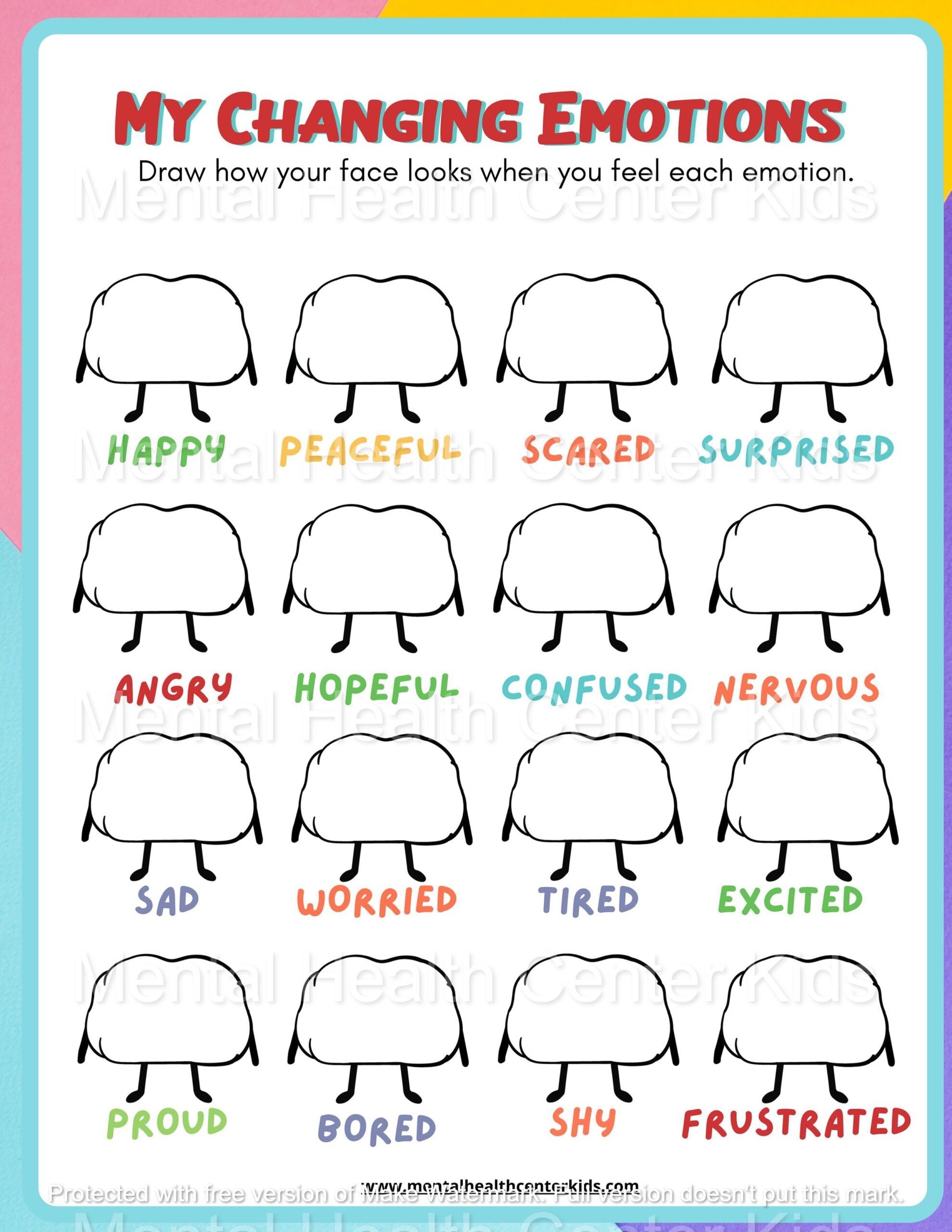
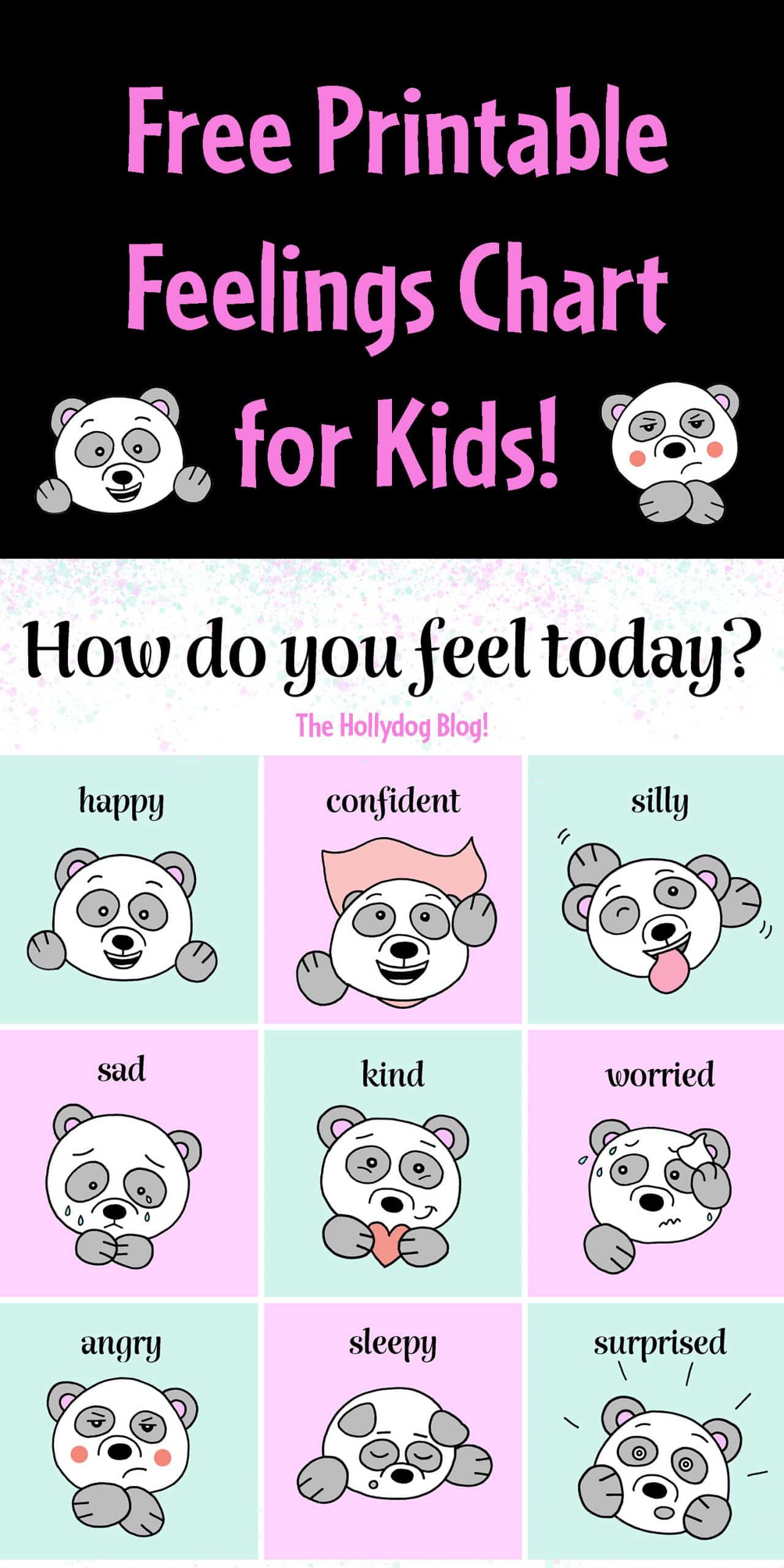
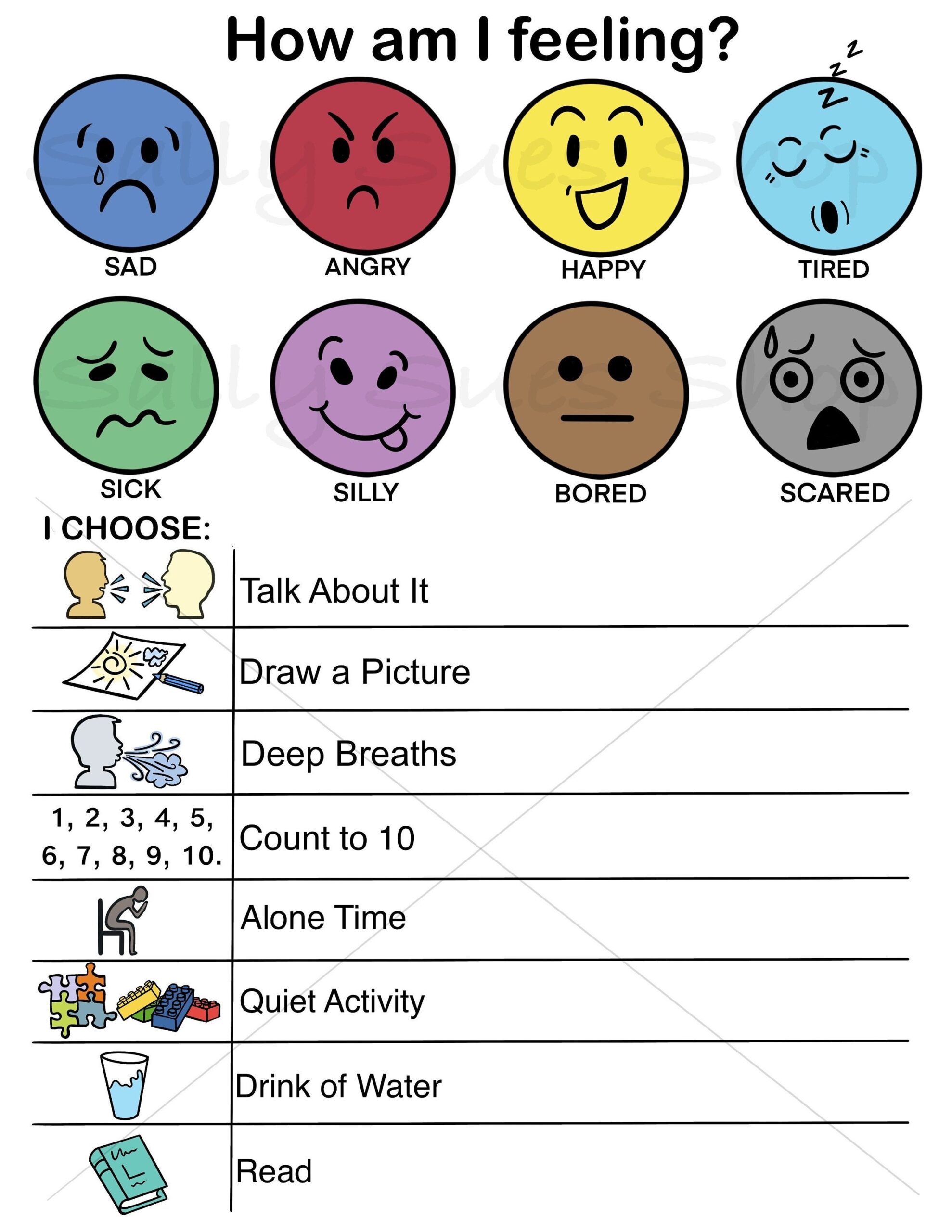
Understanding emotions is an essential part of childhood development. Children often struggle to articulate how they feel, which can lead to misunderstandings and frustration. Feelings worksheets for kids free printable provide an engaging way for children to explore their emotions and develop emotional intelligence. These resources can be a valuable addition to your home or homeschool routines.
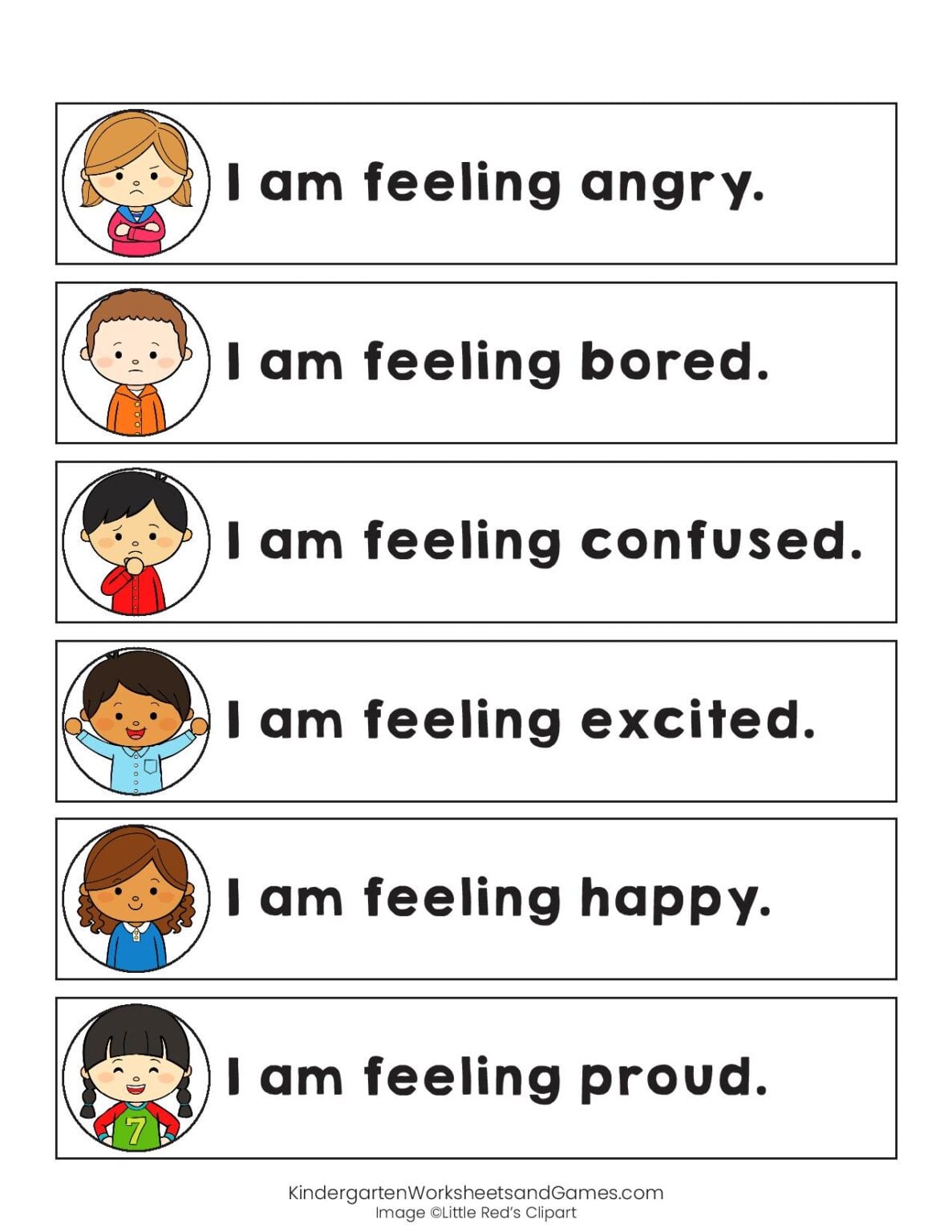
Importance of Feelings Worksheets
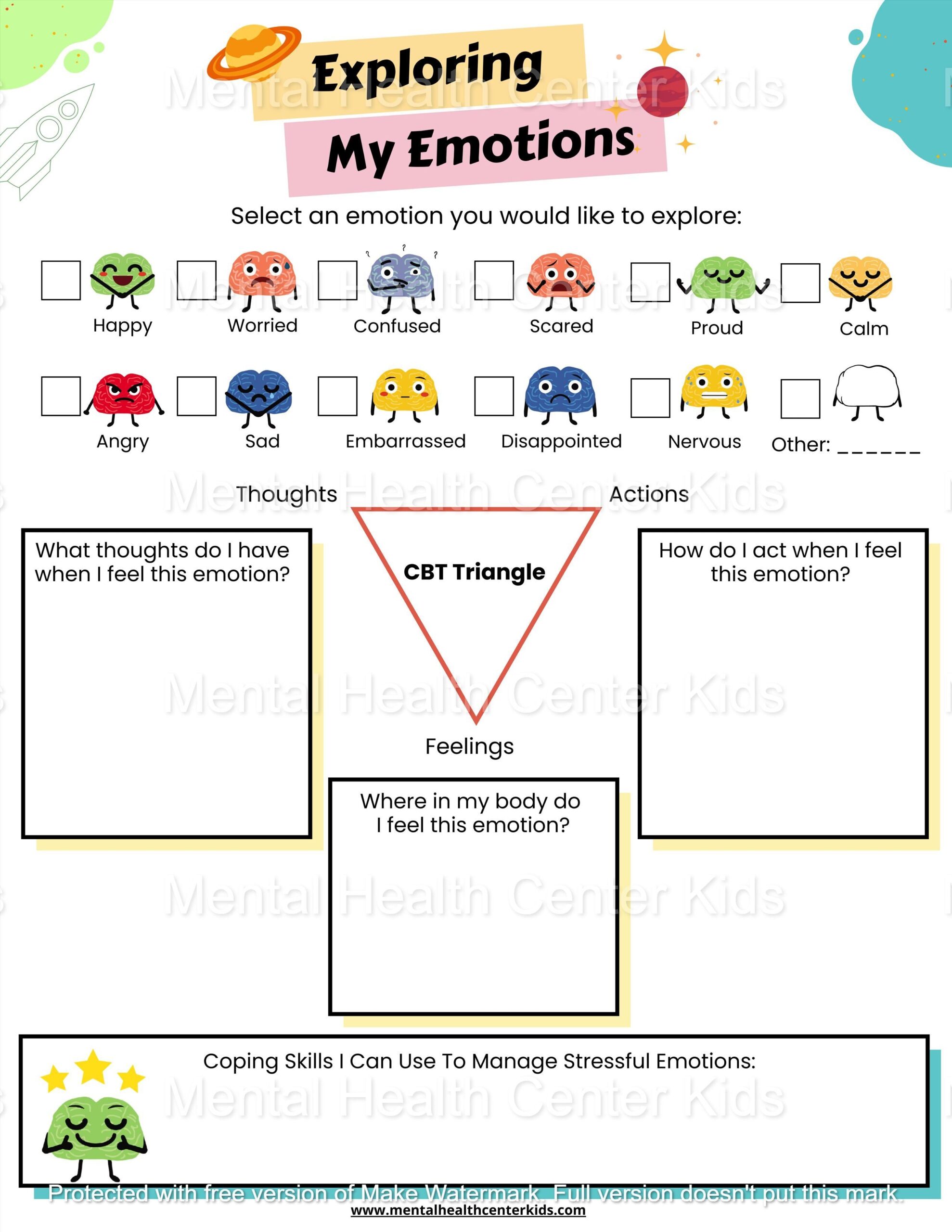
Feelings worksheets serve multiple purposes. Firstly, they help children identify and label their emotions. By recognizing different feelings, kids can learn to express themselves more clearly. Secondly, these worksheets allow for discussions about emotions, fostering a safe space for children to share their thoughts. Lastly, they can assist in calming techniques and coping strategies, enabling children to manage their emotions effectively.
Selecting the Right Worksheets
When choosing feelings worksheets, consider the age and developmental level of your child. For younger children, look for worksheets that use simple language and colorful images. These can include smiley faces or emoticons that represent various feelings. For older children, worksheets can include more complex emotions and scenarios that require deeper reflection.
You can find a range of free printable options online. Websites dedicated to educational resources often have sections specifically for social-emotional learning. These worksheets typically come in PDF format, making them easy to download and print.
Downloading and Printing Tips
Once you’ve identified the appropriate feelings worksheets, the next step is downloading and printing them. Here are some practical tips to ensure a smooth process:
- Choose the Right Format: PDF files are ideal as they maintain formatting across different devices.
- Paper Size: Standard letter size (8.5″ x 11″) is most common, but check if the worksheet specifies a different size.
- Printer Settings: Use portrait layout for most worksheets. If the design includes color, ensure your printer settings are adjusted for high-quality color printing.
- Paper Type: For durability, consider printing on cardstock, especially if the worksheets will be colored or written on extensively.
- Laminating: If you want to reuse the worksheets, laminating them can be a great option. This allows for dry-erase markers to be used, making cleanup easy.
Utilizing Worksheets in Daily Routines
Incorporating feelings worksheets into your daily routine can be both fun and educational. Here’s a simple workflow to follow:
- Set a Calm Environment: Choose a quiet time, perhaps after school or during a relaxed afternoon, to introduce the worksheets.
- Introduce the Topic: Begin by discussing feelings. You might ask open-ended questions like, “How did you feel today?” This sets the stage for using the worksheet.
- Engage with the Worksheet: Allow your child to work through the worksheet at their own pace. Provide guidance when necessary, encouraging them to express their thoughts.
- Discuss the Answers: After completing the worksheet, sit down together and discuss their responses. This dialogue can enhance their understanding of emotions and improve their articulation skills.
- Regular Check-ins: Make it a habit to revisit these worksheets periodically. This can reinforce the learning process and provide ongoing opportunities for emotional expression.
Expanding on Emotions
Consider extending the use of feelings worksheets beyond simple identification. Here are a few additional activities to enhance emotional learning:
- Creative Expression: After completing a worksheet, encourage your child to draw a picture representing how they feel. This combines art with emotional learning.
- Story Time: Read books that deal with emotions and use the worksheets to discuss characters’ feelings and motivations.
- Role Play: Use scenarios from the worksheets to role-play different emotional situations. This helps children practice how to react in real-life situations.
Final Tips for Success
To maximize the benefits of feelings worksheets, keep these tips in mind:
- Be Patient: Children may take time to express their feelings fully. Encourage them gently, without pressure.
- Celebrate Progress: Acknowledge their efforts and progress in understanding emotions. Positive reinforcement can boost their confidence.
- Make It Fun: Use colorful markers, stickers, or stamps to make the experience enjoyable. The more fun it is, the more likely they will engage.
Feelings worksheets for kids free printable can transform emotional learning into an interactive experience. By following these steps, you can create a supportive environment that encourages children to explore and express their feelings effectively.
Feelings Worksheets For Kids Free Printable Gallery